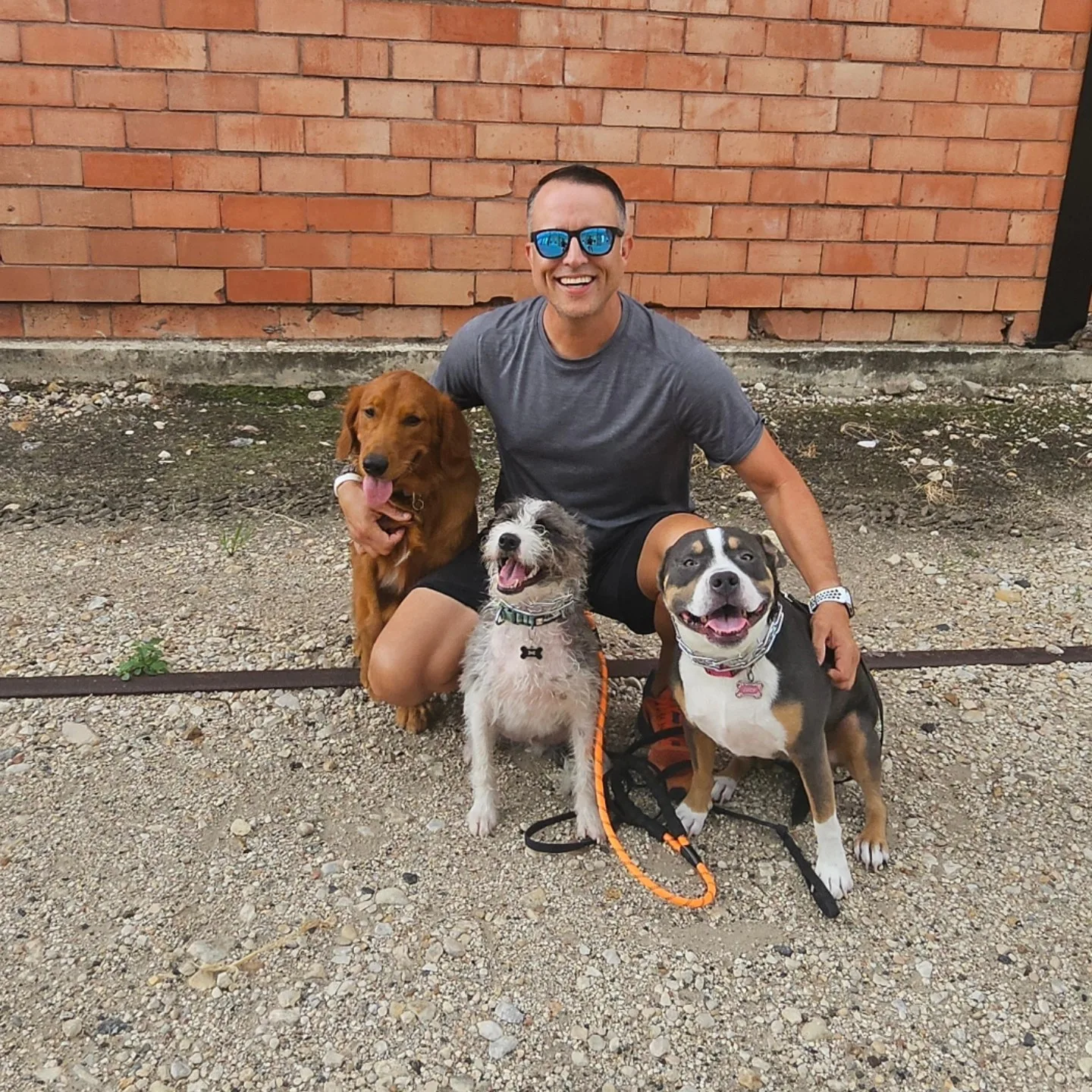
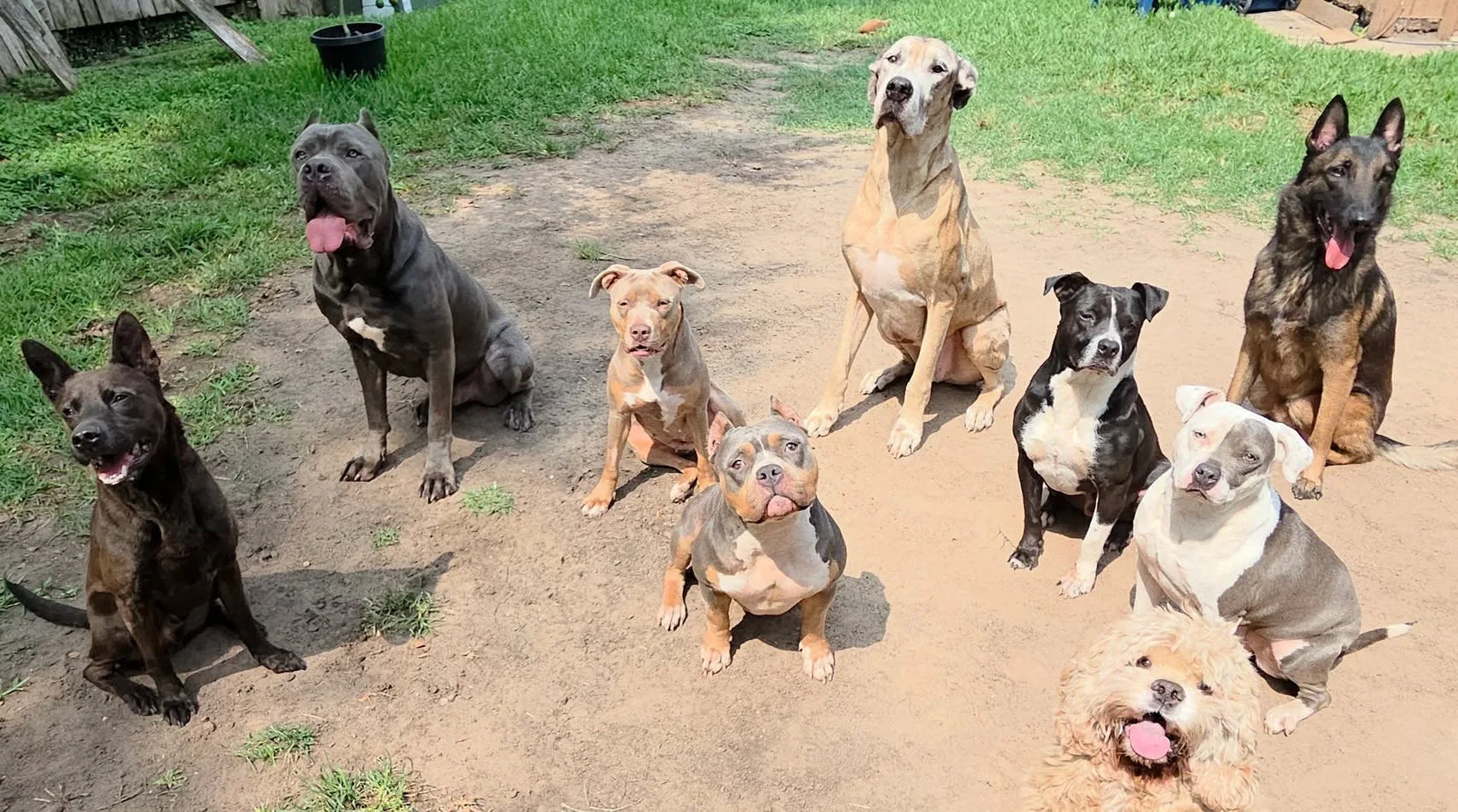
Owner practicing board and train handoff skills at home, high-fiving a reddish-brown dog in a bright living room

Program guide

Board and Train Programs: Costs, Length, and What to Expect

Board and train is a residential dog training program in which your dog lives with a professional trainer for intensive daily work, often measured per week and commonly lasting two to four weeks before a structured owner handoff. Nationally, board and train costs $92$4,920 Total, with a median of $2,825, based on 88 programs that publish pricing across our directory. See the full 2026 industry report →

This guide covers what board and train involves, how much it costs in your area, how it compares to other program types, which dogs it suits, and what to ask before booking.

152

Programs listed

2

States

$2,825

Median Total

Typical length

1–8 weeks

Last updated: August 2026

What is board and train?

Board and train puts the dog in the trainer's care for a concentrated block of practice. Instead of one weekly lesson at your house or in a classroom, the dog works multiple short sessions every day in a kennel, ranch, or trainer home set up for overnight stays. Pricing is usually quoted per week or as a flat package that bundles lodging, training, and a set number of owner lessons at the end. That daily repetition is the main reason people choose this format when manners, leash skills, or place work have stalled under a once-a-week schedule.

A typical program covers a short menu of goals rather than every behavior on your wish list. Common packages focus on house manners, crate comfort, leash walking, recall in managed settings, and calm greeting around people. Serious aggression, medical behavior issues, or complex fear cases may be declined or referred out, because residential programs still need predictable safety for staff and other dogs. Ask what the facility will and will not take before you pay a deposit. Method language varies widely, from reward-heavy coaching to balanced tool use, so you should hear a clear description of tools, daily schedule, and how corrections or rewards are applied.

Your role does not end when the dog comes home. Skills practiced with a skilled handler in a controlled facility do not automatically transfer to your kitchen, front door, or neighborhood walks. Strong programs build in handoff lessons, video reviews, and a written homework plan so you can run the same cues and management routines the trainer used. Weak programs hand you a tired dog and a glossy brochure. If you cannot commit to practicing after pickup, results often fade within weeks, which is why owner involvement after the stay matters as much as the weeks away.

Board and train is a fit when you need intensive daily reps, can arrange for the dog to be away, and are ready to learn the handling system at the end. It is a poor fit when the main problem only appears with specific people or rooms in your home, when you want to stay hands-on every session, or when you cannot attend the go-home coaching. Compare overnight staffing, dog-to-trainer ratios, visit policies, and written refund rules before you book. Those operational details separate a careful residential program from a warehouse-style stay that looks impressive online and fails in practice.
How board and train works

  1. Intake and fit check

    You share history, goals, medical notes, and any bite or reactivity incidents. The facility decides whether your dog is a safe fit and which package length matches the goals.

  2. Residential training block

    Your dog stays on site for daily sessions, rest, and management. Progress is tracked against the agreed skills, not against an open-ended wish list.

  3. Owner handoff lessons

    Near the end, you learn the cues, leash handling, and home routines the trainer used. This is when transfer either succeeds or fails.

  4. Follow-up and maintenance

    You practice at home with a written plan, and many programs include check-ins or discounted refreshers if skills slip after pickup.

How much does board and train cost in your area?

Medians require at least 3 published prices. City views fall back to state, then national, when samples are thin.

Loading price calculator…

How do board and train prices compare across the country?

Nationally, published board and train prices show a median of $2,825 Total (range $92$4,920, n=88). The table below ranks states with enough priced samples to compare.

Board and Train published prices by state. Amounts in USD (Total). Medians require n≥3 priced programs.
StateMedianRangevs nationaln
California$2,850$87–$5,120+1%83
Alabama$2,750$2,000–$3,500-3%5

Board and train vs other types of dog training

Use this comparison to decide whether board and train matches your goals, schedule, and involvement level.

Dog training program types compared. The type for this page is listed in bold (not linked).
TypeCost noteTypical lengthOwner roleBest forLess suited to
Board and Train

Median $2,825

Highest total cost; often priced per week or as a multi-week packageUsually 2 to 4 weeks on site, plus owner handoff lessonsLow during the stay, high at handoff and afterwardIntensive daily reps on a short, clear skill listProblems that only appear in your specific home routines
Private Lessons

Median $200

Mid-market; usually priced per hour or per session packageOften 4 to 12 sessions over several weeksHigh in every session and in homework between visitsCustom goals, reactivity work, and coaching your handlingOwners who cannot practice between appointments
Group Classes

Median $215

Usually the lowest-cost formal option; priced per multi-week courseOften 6 to 8 weekly sessions for a standard courseHigh during class nights and in homework between meetingsSocially able dogs needing affordable curriculum and practiceReactive dogs that cannot learn safely around classmates
In-Home Training

Median $250

Per session, often with travel time or a travel fee built inCommonly 60 to 90 minute visits across several weeksHigh; household handlers practice in the real environmentDoor manners, home routines, and dogs that learn best at homeGoals that need facility decoys or all-day residential reps
Virtual Training

Median $149

Often lower than in-home; priced per live session or online packageCommonly 45 to 60 minute video sessions across several weeksVery high; you handle every rep while being coached on cameraHome plans, puppy routines, and coachable protocols you can run safelyAggression cases and hands-on leash mechanics under distraction

Is board and train right for your dog?

Good fit if…

  • You need daily repetition that a once-a-week lesson cannot deliver
  • Your goals are concrete skills such as leash manners, place, crate, or recall in managed settings
  • Someone in the household can attend handoff lessons and keep practicing afterward
  • Your schedule makes a multi-week stay more realistic than frequent private appointments
  • A trainer has confirmed your dog is a safe fit for a multi-dog residential environment

Consider something else if…

  • The problem only shows up with specific people, rooms, or routines in your home
  • You want to stay hands-on for every teaching moment rather than reclaim skills later
  • Your dog has complex aggression or fear that a facility declines or cannot safely manage
  • You cannot commit to post-program homework and coaching after pickup
  • Budget or ethics concerns make overnight boarding with training tools a non-starter for you

What should you ask before booking a board and train?

  1. Who staffs overnight, and are they awake or on-call?

    Overnight coverage is a safety issue, not a marketing detail.

  2. How many dogs does each trainer handle per day?

    Ratios affect how much real training time your dog receives.

  3. Are owner visits allowed during the stay?

    Visit policies affect stress, bonding, and your ability to check conditions.

  4. Which methods and tools will be used on my dog?

    You deserve a plain answer before the dog is out of your sight.

  5. How many handoff lessons are included, and when do they happen?

    Transfer fails without enough owner coaching at the end.

  6. What happens if my dog is not a fit mid-program?

    Clear exit and refund rules prevent nasty surprises.

  7. How do you separate dogs for rest, feeding, and play?

    Management between sessions drives safety and recovery.

  8. What veterinary protocol do you follow for illness or injury?

    You need to know who decides and who pays before an emergency.

  9. Will I get a written homework plan and video examples?

    Documentation is what keeps skills alive after pickup.

  10. Do you offer follow-up support if manners regress at home?

    Regression is common, and support plans vary widely.

What certifications should a dog trainer have?

Credentials vary widely. Tap a chip to see what it requires, what it signals, and how many programs in our directory list it.

Certified Professional Dog Trainer – Knowledge Assessed

Certification Council for Professional Dog Trainers (CCPDT)

What it requires
Candidates must document hands-on training hours, pass a proctored knowledge exam, and complete continuing education to renew.
What it signals
Signals classroom-level knowledge of learning theory, instruction skills, and common companion-dog problems.
What it does not mean
Does not by itself prove specialty skill with aggression, nor that a trainer uses only one method.
In our directory
7 programs list this credential (n=7).

Check the issuing body's public registry

Certified Professional Dog Trainer – Knowledge and Skills Assessed

Certification Council for Professional Dog Trainers (CCPDT)

What it requires
Builds on CPDT-KA with an additional skills assessment of real training and teaching ability.
What it signals
Signals verified practical teaching skill on top of the knowledge exam.
What it does not mean
Still not a veterinary behavior credential and not a guarantee of outcomes for every dog.
In our directory
0 programs list this credential (n=0).

Check the issuing body's public registry

Karen Pryor Academy Certified Training Partner

Karen Pryor Academy

What it requires
Completion of the KPA professional program with coursework, mentorship, and assessed practical skills emphasizing positive reinforcement.
What it signals
Signals formal education in force-free, marker-based training and client coaching.
What it does not mean
Does not mean every graduate refuses all aversive tools in every case, and it is not a medical credential.
In our directory
1 program list this credential (n=1).

Check the issuing body's public registry

Certified Behavior Consultant Canine – Knowledge Assessed

Certification Council for Professional Dog Trainers (CCPDT)

What it requires
Requires substantial consulting experience hours, case documentation, and a behavior-focused knowledge exam.
What it signals
Signals deeper study of canine behavior consulting than entry-level trainer certifications.
What it does not mean
Is not a veterinary behaviorist (DACVB) title and does not authorize medical diagnosis.
In our directory
0 programs list this credential (n=0).

Check the issuing body's public registry

International Association of Animal Behavior Consultants credential

International Association of Animal Behavior Consultants

What it requires
Membership and credential tracks typically require case experience, coursework, and peer review standards that vary by level.
What it signals
Signals engagement with a professional behavior-consulting community and ethics standards.
What it does not mean
Levels differ; the letters alone do not explain which track or specialty a person holds.
In our directory
4 programs list this credential (n=4).

Check the issuing body's public registry

International Association of Canine Professionals membership

International Association of Canine Professionals

What it requires
Professional membership with optional certifications; requirements depend on the specific IACP designation.
What it signals
Signals affiliation with a broad professional network that includes multiple training philosophies.
What it does not mean
Membership is not the same as a standardized independent exam like CPDT-KA.
In our directory
8 programs list this credential (n=8).

Check the issuing body's public registry

Association of Professional Dog Trainers membership

Association of Professional Dog Trainers

What it requires
Professional association membership; education offerings and member standards apply, but it is not a single licensing exam.
What it signals
Signals participation in a large trainer education community.
What it does not mean
APDT membership alone is not a competency certification.
In our directory
9 programs list this credential (n=9).

Check the issuing body's public registry

Certification Council for Professional Dog Trainers (organization)

Certification Council for Professional Dog Trainers

What it requires
CCPDT is the certifying body behind credentials such as CPDT-KA and CBCC-KA rather than a single personal certificate code.
What it signals
When listed, it usually points to CCPDT-issued credentials held by the trainer.
What it does not mean
Seeing the organization name is not a substitute for checking the specific credential and registry entry.
In our directory
4 programs list this credential (n=4).

Check the issuing body's public registry

Animal Behavior College Dog Trainer certification

Animal Behavior College

What it requires
Completion of the ABC dog trainer program, including coursework and an externship with a mentor trainer.
What it signals
Signals structured entry-level education and mentored practice hours.
What it does not mean
Is a school certificate, not the same as an independent third-party exam like CPDT-KA.
In our directory
3 programs list this credential (n=3).

Check the issuing body's public registry

Victoria Stilwell Academy Certified Dog Trainer

Victoria Stilwell Academy of Dog Training & Behavior

What it requires
Graduation from the VSA professional program with assessed coursework and practical requirements.
What it signals
Signals education aligned with positive, science-based training coursework from that academy.
What it does not mean
Academy certification is not a government license and does not replace veterinary care.
In our directory
0 programs list this credential (n=0).

Check the issuing body's public registry

AKC Canine Good Citizen Evaluator

American Kennel Club

What it requires
AKC approval to administer Canine Good Citizen and related tests after meeting AKC evaluator requirements.
What it signals
Signals authorization to test CGC manners skills and familiarity with AKC CGC standards.
What it does not mean
Being an evaluator is not the same as being a full-time behavior consultant or aggression specialist.
In our directory
13 programs list this credential (n=13).

Check the issuing body's public registry

Top-rated board and train programs

A short sample of published board and train programs, sorted by transparency. For a full city list, open a local directory page.

Marin Pet Care Pros LLC — dog training in Novato, CA
Marin Pet Care Pros LLC
Novato, CA
Score 100

Marin Pet Care Pros in Novato offers Board and Train for puppies and friendly dogs in a private home setting, with positive reinforcement-focused training and socialization.

5.0(36 Google Reviews)

Board and Train includes Puppy Preschool, Good Manners, and Back to School, Cutie!, each with a one-week minimum and two weeks recommended. Programs cost $350 per day for week one and $280 per day for week two. A mandatory 90-minute Consultation costs $300 and may be completed by Zoom or in person, with $150 of that fee credited toward the first Board and Train week. Aggression, human or animal biting, resource guarding, and separation anxiety are not accepted for training.

View More
Video Thumbnail
K9 Optima
Antioch, CA
Score 98

Specializes in severe reactivity and aggression cases using helper dogs for controlled exposure; board-and-train dogs live in-home rather than kenneled

5.0(167 Google Reviews)

Board and Train runs 2 to 6 weeks, from $2,900 to $8,700, with boarding included throughout. Private Lessons cover both obedience and reactivity work—single reactivity sessions are $300, or $900 for a four-session package; a separate four-session obedience package runs $600. The obedience option is designed specifically for high-drive breeds like shepherds, Malinois, and bully breeds. Virtual Training is also available at $250 per session, suited for owners working through a specific behavior problem.

View More
Golan Dogs — dog training in Poway, CA
Golan Dogs
Poway, CA
Score 96

Private lessons, puppy training, day training, and board-and-train programs from seven to 21 days, with a humane, tool-limited approach based in the San Diego area.

5.0(105 Google Reviews)

Board and Train ranges from $1,425 for seven days to $3,975 for a 21-day advanced program. Day Training costs $980 for four days or $1,650 for eight, while Private Lessons range from $550 for four sessions to $1,400 for twelve. The eight-session Puppy Training Program is $950. Service Dog Preschool is also listed at $4,750.

View More
Aly's Puppy Boot Camp
Arroyo Grande, CA
Score 91

Board-and-train on a working ranch with farm animal exposure; known locally as the "Doodle Whisperer" and also sells pre-trained puppies ready for families

5.0(70 Google Reviews)

Board and Train programs range from a 5-day day-training option at $1,750 to multi-week residential stays priced between $3,950 and $4,500, running 2 to 3 weeks depending on the program. Most include handoff and follow-up sessions. Private Lessons are structured as courses: a 4-session program at $1,200 or a 6-week AKC-focused bootcamp at $1,800. In-Home Training is also available, though pricing for that option isn't currently published.

View More
Active Canine Academy — dog training in Riverside, CA
Active Canine Academy
Riverside, CA
Score 90

Board & train programs from two to five weeks, plus specialized separation anxiety and service dog training across Riverside, LA, and Orange County

5.0(55 Google Reviews)

Board and Train ranges from $1,990 for a two-week puppy program (ages 2-5 months) up to $4,000 for five weeks, which includes follow-up and handoff sessions. Private Lessons are $150 per session or $1,000 for ten, with lifetime support included. Group Classes run five weeks for $600. Virtual Training is $100 per session ($900 for ten) or $600 per month for separation anxiety work. Service dog training pricing is available on request.

View More
Fidelis K9 — dog training in Orangevale, CA
Fidelis K9
Orangevale, CA
Score 97

Rancho Cordova dog training with drop-off School of Foundations programs, Private Lessons, Group Classes, aggression-focused Private Lessons, and advanced CGC and UCGC preparation.

5.0(51 Google Reviews)

School of Foundations is a daytime drop-off format offered for 5, 10, or 15 days at $1,015 to $3,045, with dogs returning home nightly. Private Lessons cost $200 for non-members or $250 for aggressive dogs, while a four-lesson puppy package costs $480. Group Classes start at $225 for the first month, then $59 monthly for one dog or $89 for multiple dogs. A 20-day Boot Camp is $4,660 and includes Private Lessons, Group Classes, CGC preparation, testing, and certificates.

View More
Custom-K9 Bay Area Dog Training & Boarding — dog training in Pacifica, CA

Balanced, relationship-based dog training in Pacifica with private in-home coaching, day training, group workshops, board-and-train, structured daycare, and boarding for Bay Area dogs.

5.0(26 Google Reviews)

Private training costs $200 for one session, $540 for three, or $850 for five. Day Training is sold in 12-day and 24-day packages, currently advertised at promotional prices of $1,260 and $2,340, with one or two at-home private sessions included. Sunday group workshops cost $45. First-time private and day-training clients must purchase a Facility Consultation. Board & Train is also offered, but its current price and duration are not published in the provided pages.

View More
JStoutco. Dog Training
Elk Grove, CA
Score 95

Small home facility limited to 6 dogs, with board-and-train programs that bring owners into sessions to learn handling and reinforce commands at home

5.0(19 Google Reviews)

Board and Train programs range from a 2-week puppy option at $2,000 up to a 6-week program at $4,500, with a 4-week basic program at $2,500. All training programs require a prong collar. Boarding without training is available at $75 per day, with optional training add-ons at $50 per hour, and daycare runs $50 per day. Private Lessons are $100 per session, or you can save with a six-session package for $500.

View More

What dog owners say.

Rachel M. with her two Australian Shepherds

After adopting two high energy Aussies, I was overwhelmed trying to find a trainer who could handle them both. Every website I visited had vague descriptions and no real pricing. Barklen let me compare credentials, methods, and costs side by side without making a dozen phone calls. I finally felt confident choosing someone who matched our needs. I tell every dog owner I know to start their search here.

Rachel M., Boise, ID

Frequently asked questions

How much does board and train cost?

Board and train is usually priced per week or as a multi-week package, and published national listings on Barklen commonly fall in a wide band that you should compare by city rather than trust a single nationwide number. Shorter one to two week stays cost less in total than three to four week programs, while longer packages for harder goals cost more. Always ask whether lodging, training, and owner lessons are bundled, and confirm the sample size behind any median you see on this page.

How long should a board and train program be?

Most pet board and train programs run about two to four weeks, which is long enough for daily reps on a short skill list without turning into an open-ended boarding stay. One week can introduce basics but rarely finishes reliable transfer. Five or more weeks may help for tougher goals, yet longer is not automatically better if owner coaching at the end is thin. Match length to a written skill list, not to a sales pitch about transformation.

Can I visit my dog during board and train?

Some facilities allow scheduled visits, some offer video updates only, and some restrict visits to protect training focus or biosecurity. Visit policy is a preference and a red-flag check at once. If visits matter to you, ask before you book and get the rule in writing, including who may visit and how often.

Do board and train results last?

Results last when the owner learns and rehearses the same system the trainer used. Dogs often look polished at pickup and then soften at home if cues, leash pressure, rewards, or management change. Plan for handoff lessons, daily homework, and realistic maintenance. Without that, regression within weeks is common even after a strong residential stay.

What happens if my dog doesn't respond to board and train?

Responsible programs reassess goals, adjust the plan, extend with clear pricing, or refer out when a dog is a poor fit. Ask in advance what happens if progress stalls, whether partial refunds exist, and whether you can convert unused time into private lessons. A vague promise that every dog succeeds is a warning sign.

Is board and train safe for my dog?

Safety depends on overnight staffing, dog management, vaccination rules, tool policies, and honest intake screening. Ask who is on site at night, how dogs are separated, and what happens if your dog becomes ill. Touring the facility or reviewing detailed day-in-the-life photos and videos helps more than reading testimonials alone.

At what age can a puppy start board and train?

Many facilities prefer puppies that are old enough for required vaccines and mature enough to handle overnight separation, often in the adolescent range rather than eight weeks old. Exact minimum ages vary by program and local vaccine rules. For very young puppies, private or group foundations at home usually beat a long residential stay.

What's the difference between board and train and doggy boot camp?

Board and train and doggy boot camp are often marketing labels for the same residential idea: the dog stays with a trainer for intensive daily work. The useful difference is not the nickname, but the details of staffing, methods, handoff lessons, and written goals. Compare those operational facts instead of assuming one label is gentler or tougher.

What should I pack for board and train?

Pack the food your dog already eats, any prescribed medication with clear instructions, vaccination records, a well-fitting collar or harness the facility approves, and comfort items only if the program allows them. Leave valuables and conflicting training tools at home unless the trainer asks for them. Confirm the packing list in writing before drop-off.

Do dogs get depressed during board and train?

Some dogs show stress signs such as pacing, reduced appetite, or shutdown in a new environment, especially in the first days. That is not proof of lasting depression, but it is a reason to ask how the facility monitors stress and whether you will get honest updates. Dogs that cannot settle in a group kennel may need a different format.

What questions should I ask a board and train facility?

Ask about overnight staffing, trainer-to-dog ratios, methods and tools, visit policy, handoff lesson count, veterinary emergencies, and what happens if your dog is not a fit. Clear, specific answers matter more than polished marketing. If a facility dodges those topics, keep shopping.

Is board and train worth the money?

Board and train is worth the money when you need intensive daily practice, choose a program with real handoff coaching, and will maintain the skills at home. It is rarely worth it if you treat pickup day as the finish line. Compare total package cost against several months of private lessons plus your available time before you decide.